Punta Gorda has no shortage of charming older homes — many built in the 1970s through the 1990s, some even earlier in the historic downtown district. That character often comes with systems that are decades old. Before you fall for a home with great bones, it helps to know what a Florida home inspection is likely to turn up and roughly what those items cost to fix. Here's a practical rundown, plus how it all connects to getting the home insured.
Roof: The Item That Matters Most
The roof is the single most scrutinized component on a Florida inspection, and for good reason: it's also the biggest factor in your insurance premium. An asphalt shingle roof over 15 years old will struggle to pass, and many insurers won't bind a policy on a roof with less than three years of useful life left, no matter how good the rest of the house looks.
What it costs: A full roof replacement in Florida generally runs $9,000–$16,000 for asphalt shingle on an average-size home, $16,000–$30,000 for metal, and $22,000–$45,000 for tile, depending on square footage and material.
If the roof is aging but not yet failing, ask your agent about a wind mitigation inspection alongside the standard one — a well-documented roof can still qualify for insurance discounts even as it nears the end of its life.
Electrical: Old Panels Are a Bigger Deal Than They Sound
Homes built between the 1950s and 1980s sometimes still have Federal Pacific Electric or Zinsco panels, both considered fire hazards by inspectors and often flagged automatically by insurers. Coastal corrosion is common here too, affecting an estimated third of older homes in salt-air environments like Charlotte County.
What it costs: Panel replacement typically runs $2,500–$5,000. This is one of the few inspection items that can actually stop a sale from closing if it isn't resolved, since it affects both insurability and lender approval — worth negotiating into the contract rather than discovering after closing.
Plumbing: Watch for Polybutylene
If the home was built or repiped between the late 1970s and 1995, ask specifically about polybutylene piping — a gray, flexible pipe that's prone to failure and considered essentially uninsurable by most Florida carriers today. It shows up on a relatively small share of inspections, but when it does, it's rarely a minor fix.
What it costs: A full repipe runs $7,000–$20,000 depending on home size. Most other plumbing findings are smaller fixture-level issues — a leaking valve, an old water heater, missing shutoffs — that run a few hundred dollars each.
HVAC: Age Matters More Than Performance
An air conditioner can still be blowing cold air and still be flagged, because inspectors and insurers care about the age on the data plate, not just how it currently performs. Florida's heat and humidity work AC systems hard, and most units are rated for roughly 12–15 years of service.
What it costs: Replacing a central AC system in Florida typically runs $2,500–$15,000 installed, with a common 5-ton system landing just over $10,000 once installation is included.
Termites: A Florida Fact of Life
Florida's climate supports both subterranean and drywood termites year-round, so it's less a question of if an older home has ever had termite activity and more a question of how it was handled. Ask for the termite bond and treatment history — if there isn't one, a WDO (wood-destroying organism) inspection is worth doing before you close.
What it costs: Tenting a typical home runs $1,800–$3,500. Actual damage repair varies widely — cosmetic trim work can be a few hundred dollars, while structural framing damage can run well into the thousands. A termite bond to keep the home protected going forward costs $200–$400 a year.
The 4-Point Inspection: Your Insurance Company's Version
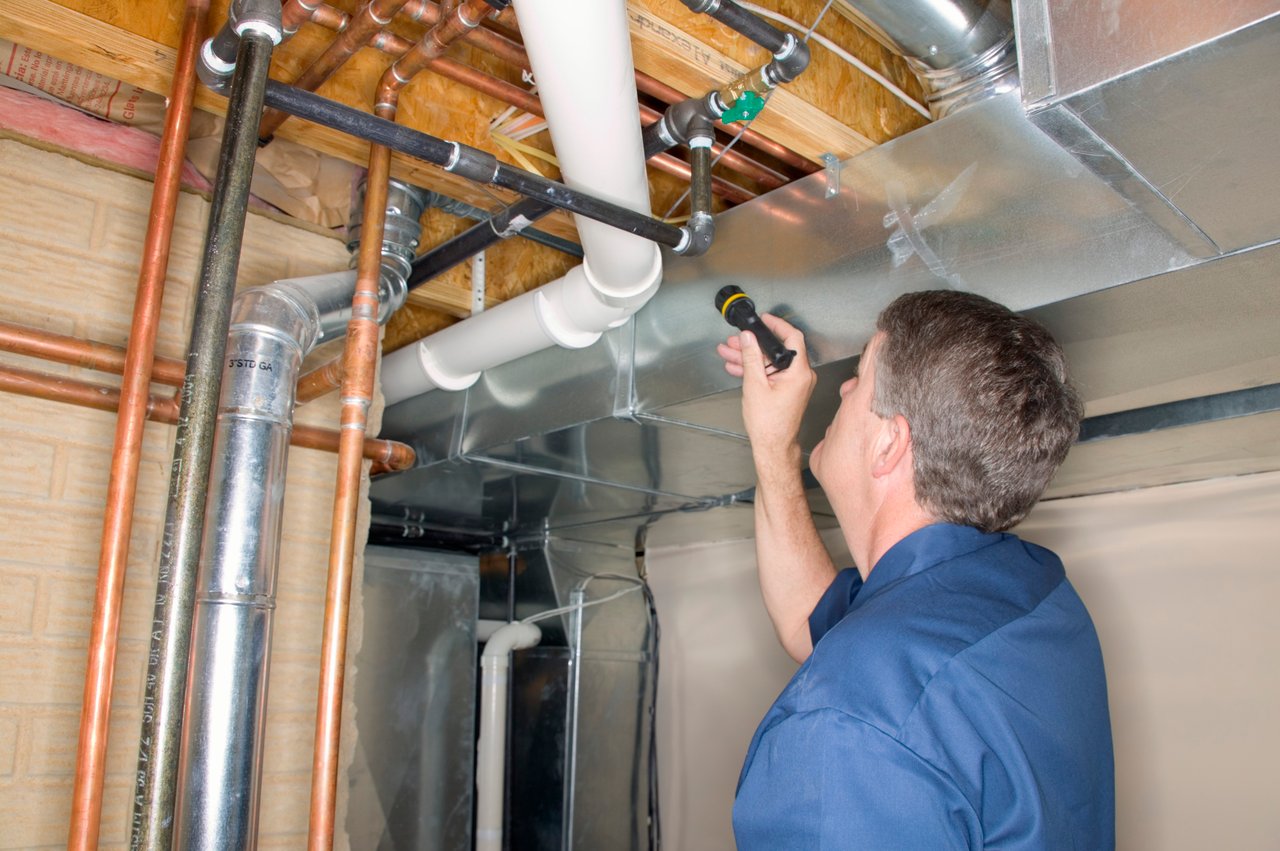
Separate from your buyer's inspection, most Florida insurers require a 4-point inspection on homes 20–25 years or older before they'll issue a policy. It looks at exactly the four systems above — roof, electrical, plumbing, and HVAC — but purely through an insurability lens rather than a full home-condition lens. It costs $75–$150 and takes under an hour, and the results directly determine whether (and at what price) you can get coverage.
If you're buying an older home, it's worth ordering this early in your due diligence period, right alongside your standard inspection, so you know your insurance options before your contingency deadlines run out.
How to Use This Information as a Buyer
None of this means you should avoid an older Punta Gorda home — it means you should go in with a plan. Budget for the age of the roof and AC system even if they're currently functional, ask for panel brand and plumbing material up front, and get your 4-point and insurance quote moving as soon as you're under contract. An older home with a documented, well-maintained roof and updated electrical can be just as insurable — and just as good a long-term investment — as new construction, often at a better price per square foot.
If you're weighing an older home against new construction in Punta Gorda, or want a read on what a specific property's systems might cost to bring current, Jennifer Calenda and the Calenda Real Estate Group have guided buyers through exactly this decision for more than 25 years. Contact us before you write your offer.
This post is for general informational purposes only and isn't a substitute for a licensed inspector's report or a quote from a licensed contractor or insurance agent.